Why Most Lead Magnet Funnels Fail Before They Even Start
Here is an uncomfortable truth: 68% of businesses have never clearly defined their funnel stages, and 65% have no real lead nurturing process in place, according to DemandSage's 2025 research. That means the majority of marketers are running email capture campaigns with no actual plan for what comes next. They collect addresses, send one welcome email, and wonder why nobody buys.
The problem is not the traffic. It is not even the lead magnet. It is the absence of a system — a deliberate, sequenced funnel that takes a cold stranger from curious visitor to warm buyer. That is exactly what this guide builds from scratch.
Designing a lead magnet funnel is not about slapping a PDF behind an opt-in form. It is about engineering a conversion path that respects where your prospect actually is right now. And where are they? According to Sopro.io, roughly 96% of website visitors are not ready to purchase on their first visit. A well-designed lead magnet funnel does not fight that reality — it works with it.
What a Lead Magnet Funnel Actually Is (And What It Is Not)
A lead magnet funnel is a structured sequence of pages and emails that moves a visitor through four specific actions: seeing your offer, trading their email for it, receiving and consuming your free resource, and warming up to your paid product through follow-up communication.
That sequence matters more than any individual element. You can have the best checklist ever written, but if your opt-in page is cluttered or your nurture emails read like a broadcast newsletter, you have wasted the asset.
What a lead magnet funnel is not: a blog post with a content upgrade. It is not a homepage with a generic "subscribe for updates" form. And it is definitely not a single email followed by silence. The funnel is the machine. The lead magnet is just the bait that gets someone into the machine.
Step-by-Step: How to Design a Lead Magnet Funnel That Converts
Step 1 — Choose a Lead Magnet That Solves One Specific Problem Fast
The most common mistake here is going too broad. A lead magnet titled "The Complete Guide to Social Media Marketing" sounds impressive but converts poorly because it implies a big time commitment. People want the win now, not eventually.
The best lead magnets are quick to consume, easy to implement, directly tied to your paid offer, and immediately valuable. That last point is critical — "immediately" means within 10 minutes of downloading. If your lead magnet takes three hours to read, it is a product, not a magnet.
The top-performing formats in 2026 are: one-page checklists, template packs, mini-workshops (live or pre-recorded), 3-to-5 video mini-courses, short PDF guides, and free sample lessons from a paid course. Each of these has a specific use case, and choosing the wrong format for your niche will hurt conversion rates regardless of how good the content is.
Step 2 — Build an Opt-In Landing Page With a Single Job
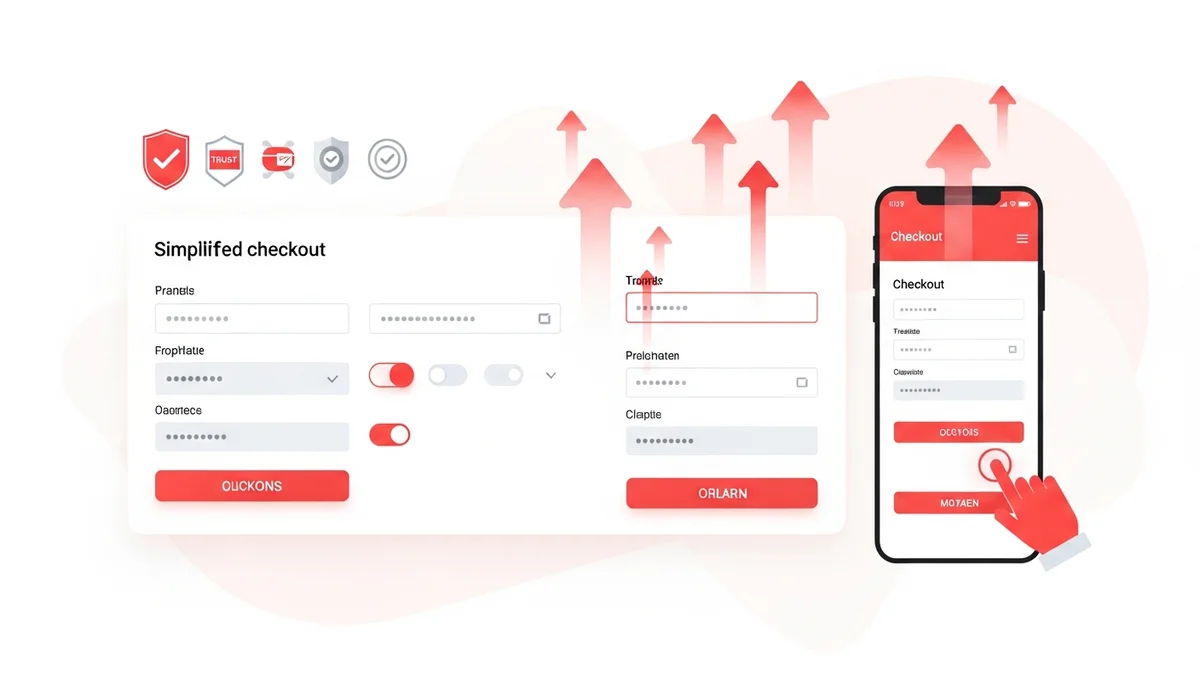
Your landing page has one purpose: get the opt-in. Every design decision should serve that goal, and every element that does not serve it should be removed. That means no navigation menu, no sidebar, no social share buttons, and absolutely no secondary calls to action.
The page architecture should follow this sequence: a benefit-driven headline that names the specific outcome, one or two sentences of supporting copy, a bullet list of what they will get (not vague descriptions — specific deliverables), an opt-in form asking for email (and name if necessary), and a single CTA button with action-oriented copy. "Get the Free Checklist" outperforms "Submit" by a wide margin in most A/B tests.
If you are building this on a dedicated funnel platform, the structural decisions become much simpler. Tools like Leadpages and Unbounce are purpose-built for opt-in page conversion, with drag-and-drop editors that enforce single-column layouts by default. ClickFunnels takes a more opinionated approach, guiding you through a full funnel sequence rather than building individual pages in isolation — useful if you want the entire infrastructure in one place.
Step 3 — Design a Thank-You Page That Does Real Work
Most marketers treat the thank-you page as a formality. It should be one of the most strategic pages in your funnel.
After a successful opt-in, your new subscriber is in a peak receptive state. They just said yes to something you offered. That moment of agreement is the highest-trust point in the entire pre-purchase journey, and the majority of funnels waste it entirely with a generic "thanks, check your email" message.
Newsletter
Get the latest SaaS reviews in your inbox
By subscribing, you agree to receive email updates. Unsubscribe any time. Privacy policy.
A well-engineered thank-you page confirms the signup, sets expectations for what comes next in their inbox, and introduces a next step. That next step could be a short video that builds authority, an invitation to join a community, a preview of your paid offer, or even a low-ticket tripwire product for the most aggressive monetization approach. At minimum, this page should make the subscriber feel they made an excellent decision — not leave them staring at a blank screen wondering if their email worked.
Step 4 — Write a Delivery Email That Builds Anticipation
Your delivery email has two jobs: get the lead magnet into their hands, and set up what comes next. The first job is obvious. The second is where most people drop the ball.
A delivery email that says "Here is your download, enjoy!" and nothing else is a missed opportunity. The better approach: deliver the resource, name the specific transformation it will help them achieve, and mention that you will be sending a few follow-up emails over the coming days. This primes them for what is coming and reduces unsubscribe rates on your nurture sequence.
Step 5 — Build a 3-to-5 Email Nurture Sequence
The nurture sequence is where subscribers become buyers. After delivering the lead magnet, your email sequence has one strategic goal: move the subscriber from "I got this free thing" to "I want the paid version of this."
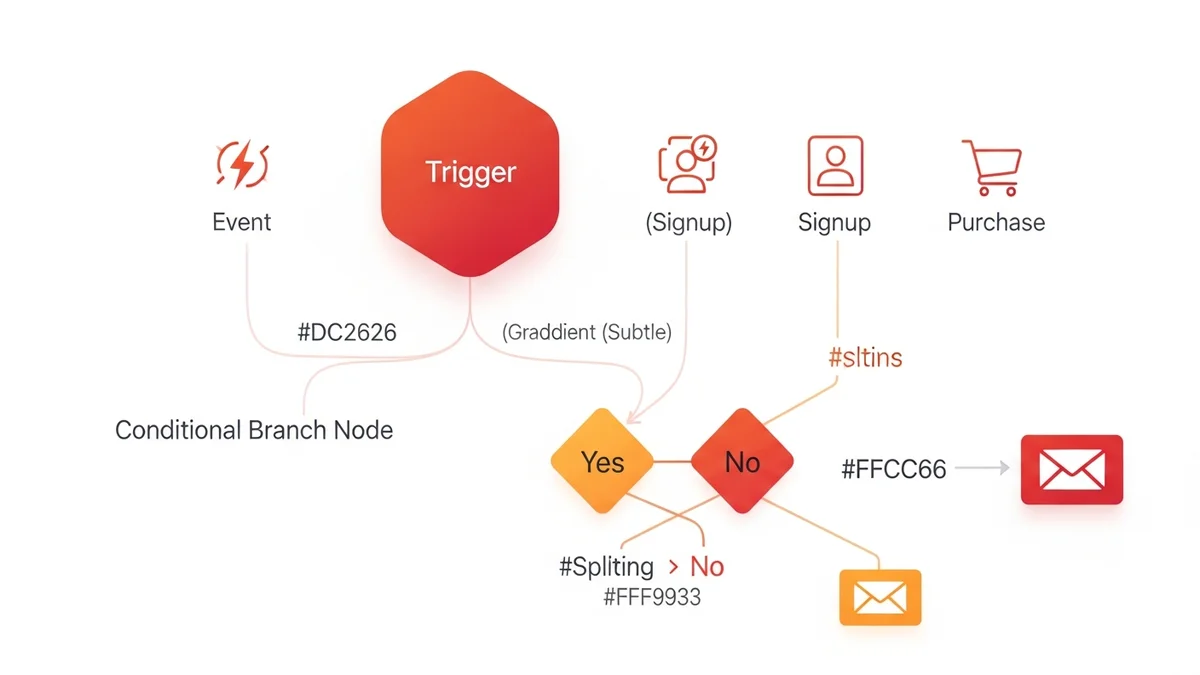
Structure the sequence as: delivery email (day 0), value deepening email (day 1-2), story or social proof email (day 2-3), soft pitch email (day 3-4), and a direct offer email (day 4-5). Each email should reference the lead magnet and connect it to the paid offer naturally rather than pivoting abruptly to selling.
For automating this sequence, ActiveCampaign remains one of the strongest options for behavior-based email automation — you can trigger different sequences based on whether someone clicked the download link, opened the delivery email, or visited your sales page. Kartra combines landing pages, email sequences, and checkout in a single platform, which eliminates the integration headaches that plague multi-tool stacks.
Lead Magnet Format Comparison: What to Use and When
Not every lead magnet format performs equally across every niche. Here is an honest breakdown based on the structural qualities each format offers:
| Format | Creation Time | Consumption Speed | Authority Signal | Best For |
|---|---|---|---|---|
| One-Page Checklist | 1–3 hours | Under 5 minutes | Low–Medium | Process-driven niches, quick wins |
| Template Pack | 3–8 hours | 5–15 minutes | Medium | Business, content creation, design |
| PDF Guide (5–10 pages) | 4–10 hours | 15–30 minutes | Medium | Educational niches, complex topics |
| Mini-Workshop (Live or Recorded) | 5–12 hours | 30–60 minutes | High | Coaching, consulting, course creators |
| Mini-Course (3–5 Videos) | 10–20 hours | 1–3 hours | Very High | Premium offers, high-ticket sales |
| Free Course Lesson Sample | 1–2 hours (repurposed) | 15–45 minutes | High | Course creators with existing product |
The pattern here is clear: the faster a lead magnet is to consume, the easier it is to get opt-ins — but the lower its authority signal. A mini-course builds significantly more trust and pre-qualifies buyers better, but it also requires more of the subscriber's time and will attract fewer total opt-ins. Match your format to your sales cycle length, not just your production capacity.
Choosing the Right Funnel Builder for Your Lead Magnet Funnel
The platform you build on is not an afterthought — it determines how fast you can iterate, how cleanly your pages track conversions, and how well your email automation integrates with your capture forms. Here is an honest view of the landscape.
ClickFunnels is the most widely recognized name in funnel building and for good reason. Its Funnel Hub concept (introduced in version 2.0) organizes your opt-in pages, thank-you pages, and follow-up sequences under one roof. The learning curve is real, but for dedicated funnel builders running multiple lead magnet campaigns, the opinionated structure actually saves time.
Systeme.io deserves serious consideration if you are budget-conscious or just getting started. It offers a free plan with unlimited emails and three funnels — a genuine competitive advantage when you are testing lead magnet concepts before committing to a paid platform. The feature set is less polished than ClickFunnels, but for a standard opt-in-to-nurture sequence, it handles the job cleanly.
Kartra is the strongest all-in-one option for marketers who want landing pages, email automation, membership areas, and checkout all connected natively. If your lead magnet funnel is the front end of a larger product ecosystem, Kartra's internal linking between these components eliminates the duct-tape integrations that slow down multi-tool setups.
Instapage is the right choice if landing page conversion rate optimization is your primary concern. Its heatmaps, A/B testing, and AdMap feature (connecting paid ads directly to personalized landing pages) make it the most sophisticated landing page tool in this category. It is not a full funnel builder, so you will need to connect it to a separate email automation platform.
GoHighLevel is increasingly popular among agencies building lead magnet funnels for clients, because the white-label features let you deploy the same funnel architecture across multiple client accounts from a single dashboard. The platform has a steeper learning curve than most, but the value-to-cost ratio at the agency level is difficult to beat.
Common Lead Magnet Funnel Mistakes That Kill Conversions
The research from DemandSage confirms that most businesses are not structured around a working funnel — but even the ones that have built something often undermine it with a handful of predictable errors.
Asking for too much information on the opt-in form. Every additional field beyond email address reduces conversion rates. Name plus email is acceptable. Company, phone number, and job title on a free lead magnet form is a conversion killer. Only collect what you will actually use in the next 30 days.
Choosing a lead magnet that is too generic. "Ultimate Guide to Marketing" is not a lead magnet. It is a title. Specificity drives opt-ins. "The 7-Step Instagram Content Calendar for Coaches Launching Their First Offer" is a lead magnet. The more precisely your title names the person and their problem, the higher the opt-in rate.
Sending traffic to a page with navigation intact. This one is so common it deserves emphasis. If your opt-in page has a full header menu, you are inviting visitors to browse away from the conversion goal. Remove navigation entirely from lead magnet landing pages. Every exit opportunity you remove increases your opt-in rate.
Writing a nurture sequence that pitches too early. Leading with a sales email on day one — before the subscriber has consumed the lead magnet — is the fastest way to generate unsubscribes and create a burned list. Follow the sequence: deliver, value, story, soft pitch, direct offer. In that order.
Never testing the funnel as a real user. Go through your own opt-in flow from a private browsing window. Check whether the delivery email arrives within five minutes. Confirm the download link works. Verify that your thank-you page loads correctly on mobile. These are elementary checks that reveal embarrassing technical failures before they cost you real subscribers.
Designing a lead magnet funnel is ultimately an exercise in removing friction at every stage. The more frictionless the path from first impression to email confirmed to paid customer, the better every metric in your funnel performs. Start with a specific lead magnet, build a focused landing page, set up a disciplined nurture sequence, and test the whole thing before you drive a single click to it.