
GoHighLevel vs ClickFunnels: The Fundamental Difference You Need to Understand First
Most comparison articles miss the most important point about GoHighLevel and ClickFunnels: these two platforms are not actually competing for the same customer. Understanding that distinction upfront will save you hours of research and potentially thousands of dollars in switching costs.
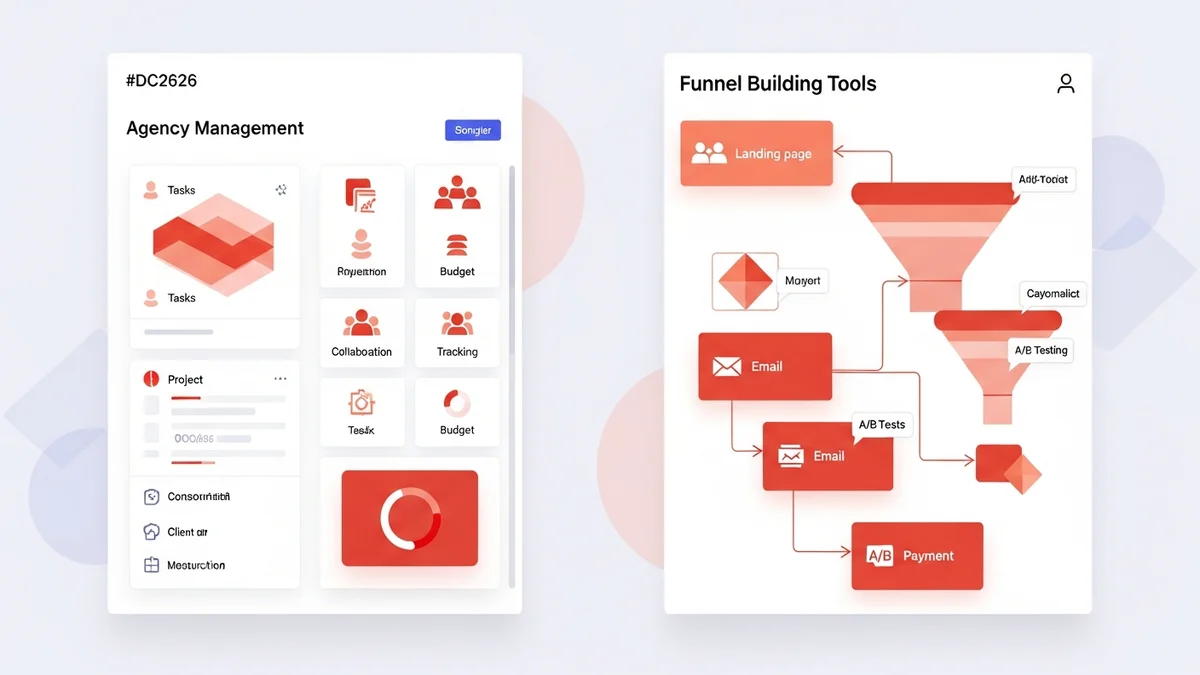
GoHighLevel was built from the ground up for marketing agencies that manage multiple clients. It is a Swiss Army knife — CRM, funnel builder, SMS campaigns, appointment scheduling, reputation management, email marketing, white-label reselling, and more, all consolidated into one dashboard. It launched in 2018 and now serves over 600,000 customers powering more than 1.4 million businesses worldwide. That growth is real and impressive, but it tells you something important: GoHighLevel's appeal is breadth.
ClickFunnels, on the other hand, is a specialist. It exists to do one thing exceptionally well: build sales funnels that convert. Every design decision, every template, every feature update has been oriented around that singular mission. Where GoHighLevel gives you twenty tools, ClickFunnels sharpens one to a razor edge.
Neither approach is wrong. But picking the wrong one for your situation absolutely is.
Core Features: What Each Platform Actually Delivers
GoHighLevel: The All-in-One Agency Operating System
GoHighLevel's feature set is genuinely extensive. The CRM includes advanced tagging, ownership rules, and automated deal movement through pipelines. The funnel and website builder offers a drag-and-drop editor with global sections and niche-based AI funnel generation. Communication channels span SMS, email, WhatsApp, live chat, Meta DMs, and a built-in phone system for inbound and outbound calling.
The workflow automation engine is particularly powerful for agencies. It supports visual builders, dynamic waits, multi-channel triggers, and prompt-based scaffolding. The newer AI Employee system handles voice call handling, inbox replies, workflow generation, review responses, and content creation. Add reputation management with automated review requests, course hosting, community tools, and white-label capabilities that let agencies resell the entire platform under their own brand — and you have a platform that genuinely can replace HubSpot, ActiveCampaign, Calendly, and Zapier simultaneously.
For agency owners managing ten or twenty clients, this consolidation has real financial logic. Paying one GoHighLevel subscription instead of five separate tool subscriptions adds up. The sub-account system means each client gets their own isolated environment, and the white-label option turns GoHighLevel into a SaaS product you can resell.
ClickFunnels: Conversion-Focused Funnel Building
ClickFunnels takes a radically different approach. Rather than offering dozens of features at average quality, it has optimized obsessively for funnel performance. The platform reports average page load speeds of 1.2 seconds — the fastest in the industry by their own testing — compared to GoHighLevel's 4-5+ second average. In a world where every additional second of load time costs conversions, that gap is not trivial.
The template library is battle-tested across thousands of real campaigns. These are not generic layouts — they are proven funnel structures for specific industries and offer types, refined through actual conversion data. The drag-and-drop builder is designed specifically for marketers, not developers or agency account managers, which means the learning curve is minimal for the core use case.
ClickFunnels 2.0 also includes email marketing, membership sites, course hosting, and a shopping cart. It is not feature-barren. But every one of those additions serves the central purpose of moving a visitor from awareness to purchase inside a single optimized flow.
Side-by-Side Comparison
| Feature | GoHighLevel | ClickFunnels |
|---|---|---|
| Primary Audience | Marketing agencies, multi-client managers | Entrepreneurs, course creators, product sellers |
| Core Strength | All-in-one client management and automation | Conversion-optimized funnel building |
| Page Load Speed | 4–5+ seconds (average) | 1.2 seconds (industry-leading) |
| CRM | Full-featured with pipelines, tagging, automation | Basic contact management |
| White-Label / Reselling | Yes — full SaaS reselling capability | No |
| Sub-Accounts (Multi-Client) | Yes — built-in client isolation | No |
| SMS & WhatsApp Automation | Yes — native multi-channel | Limited / third-party integration required |
| Funnel Templates | Generic, multi-purpose | Battle-tested, conversion-proven |
| Appointment Scheduling | Built-in | Requires integration |
| Reputation Management | Built-in (automated review requests) | Not included |
| AI Features | AI Employee (voice, inbox, content, workflows) | Limited AI tooling |
| Customers Served | 600,000+ customers, 1.4M+ businesses | Not publicly reported at comparable scale |
| Pricing Model | Base subscription + add-ons for advanced features | All-in-one pricing, no hidden fees |
| Learning Curve | Moderate — built for agency workflows | Low — built for individual marketers |
Newsletter
Get the latest SaaS reviews in your inbox
By subscribing, you agree to receive email updates. Unsubscribe any time. Privacy policy.
Pricing: What You Actually Pay
GoHighLevel's pricing structure is built around the agency model. The Starter plan at $97/month covers a single account and basic features. The Unlimited plan at $297/month removes client account limits and adds white-label capabilities. The SaaS Pro tier at $497/month unlocks reselling infrastructure. Those base prices look reasonable until you factor in add-ons: premium AI features, dedicated phone numbers for SMS, and advanced usage costs layer on top. For an agency billing it back to clients, the math can work well. For a solo entrepreneur, it gets expensive quickly for features they will never use.
ClickFunnels prices its Basic plan at $97/month, Pro at $197/month, and Funnel Hacker at $297/month. The key difference is philosophical: ClickFunnels advertises an all-in-one price with no hidden fees. What you see is what you pay, and the feature set is oriented entirely around funnel building and conversion optimization rather than client management overhead.
For a straightforward comparison: a solo entrepreneur or small business owner who just needs to build and sell gets equivalent or better value from ClickFunnels at the $97 tier. An agency managing five or more active clients will likely break even or come out ahead with GoHighLevel's Unlimited plan, especially if they replace other tools like Kartra, Calendly, or a standalone SMS platform.
Performance and User Experience: Where the Gap Becomes Real
Page Speed and Conversion Impact
The 1.2-second vs 4–5-second load time comparison is not a marketing talking point — it reflects a genuine architectural difference. ClickFunnels built its 2.0 platform with performance as a first-class requirement. GoHighLevel's broad feature set comes with technical debt, and the page builder was not designed with the same conversion-obsessed constraints.
Research consistently shows that page load time directly correlates with bounce rate and conversion rate. A page loading in 4 seconds can lose 25% of visitors before they see a single word of copy. For a business spending money on paid traffic, that is real money disappearing before the funnel even begins. If conversion optimization is your primary concern, this single metric should weigh heavily in your decision.
Learning Curve and Onboarding
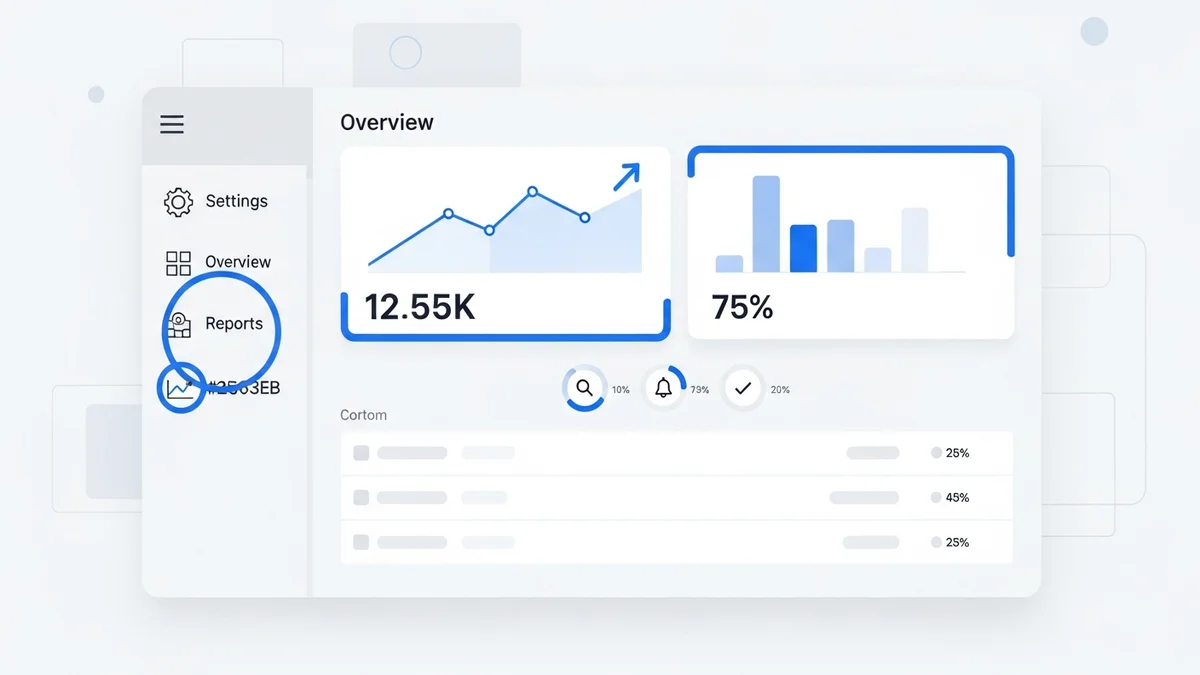
GoHighLevel's interface is comprehensive to the point of overwhelming. The dashboard surfaces CRM pipelines, marketing campaigns, automation workflows, reputation tools, and reporting simultaneously. For agency owners who want to manage everything in one place, this is a feature. For someone who just wants to launch a sales funnel for their online course or consulting offer, it is friction they did not sign up for.
ClickFunnels has invested heavily in making the funnel-building workflow intuitive. Templates are organized by funnel type and goal, the editor behaves predictably, and the path from blank page to live funnel is streamlined. Marketers with no technical background regularly report launching their first funnel within a day.
Alternatives Worth Considering
Neither platform is the only option in this space, and depending on your specific situation, an alternative might serve you better than either.
If you need landing pages without the full funnel infrastructure, Unbounce offers sophisticated A/B testing and AI-powered optimization tools built specifically for conversion-focused pages. If your priority is ecommerce checkout optimization rather than top-of-funnel traffic capture, SamCart specializes in checkout pages and order bumps with a focus on maximizing average order value.
For businesses that want the all-in-one breadth of GoHighLevel but at a lower price point, Systeme.io bundles email marketing, funnels, course hosting, and automation starting at a free tier — a compelling option for solopreneurs and early-stage businesses. If you need more sophisticated landing page tooling with enterprise-grade A/B testing, Instapage is worth evaluating for high-volume paid traffic scenarios.
Who Should Choose GoHighLevel
GoHighLevel wins decisively in one scenario: you run or are building a marketing agency, and you need a single platform to manage multiple client accounts, automate multi-channel outreach, and ideally resell as a white-labeled SaaS product. The sub-account system, white-label capabilities, and native CRM make it the most coherent agency operating system available. The AI Employee features — voice handling, review responses, automated inbox replies — add genuine leverage for agencies that want to scale without proportionally scaling headcount.
GoHighLevel also makes sense if you are consolidating an expensive multi-tool stack. If you are currently paying for separate CRM, email marketing, appointment scheduling, SMS, and reputation management subscriptions, GoHighLevel's Unlimited plan can realistically be cheaper than the sum of those parts while reducing context-switching overhead.
Who Should Choose ClickFunnels
ClickFunnels is the right choice when your primary goal is building and optimizing sales funnels for your own business. Online course creators, coaches, consultants, info-product sellers, and e-commerce operators selling through funnel flows will find that ClickFunnels' conversion-focused architecture, fast load times, and proven templates outperform GoHighLevel's more generalist funnel builder in head-to-head revenue impact.
If you are driving paid traffic and optimizing for cost per acquisition, the page speed difference alone justifies paying attention to ClickFunnels. Faster pages mean higher quality scores on Google and Meta ads, lower cost per click, and better conversion rates — a compounding advantage that makes itself felt every month.
The all-inclusive pricing model also matters for budget-conscious operators. Knowing your platform cost is fixed regardless of email list size, funnel count, or traffic volume is a real operational advantage over usage-based pricing structures that can surprise you at scale.
Final Verdict: Choose Based on Your Business Model, Not Features
The GoHighLevel vs ClickFunnels debate has a clear answer once you strip away the feature comparisons: choose based on who you are serving. If you are serving clients as an agency, GoHighLevel's infrastructure gives you capabilities ClickFunnels cannot match. If you are serving customers as a business owner selling products, courses, or services, ClickFunnels' conversion optimization focus gives you a structural edge that GoHighLevel's generalist approach cannot replicate.
The mistake most people make is evaluating these platforms on feature count. GoHighLevel wins that metric every time. But the right question is not "which platform has more features?" It is "which platform is built to solve my actual problem?" A neurosurgeon with a scalpel beats a general practitioner with a full medical kit when the problem is brain surgery. The same principle applies here.
If you are still undecided, consider starting with whichever platform aligns with your primary revenue model for the next twelve months. Both offer trial periods. Build one funnel or one campaign, measure the results, and let the data make the decision for you.